


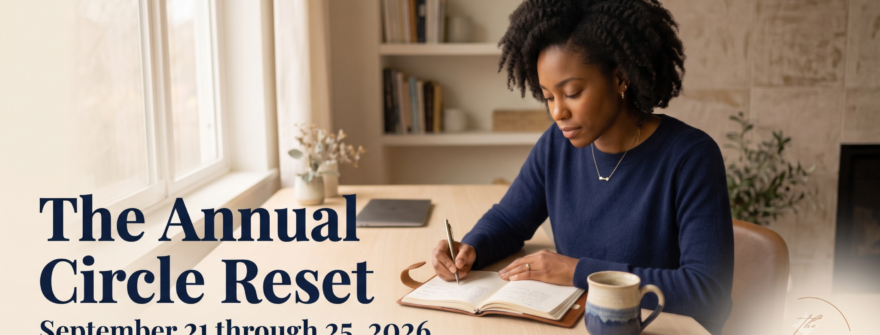
Every leader reaches a point in the year where the gap between who they intended to be and who the pressure of the season has required them to become becomes impossible to ignore. The decisions have not stopped. The team still needs holding. The organizational demands have not let up. And somewhere underneath all of it, the leader, the real one, the grounded one, the one who chose…
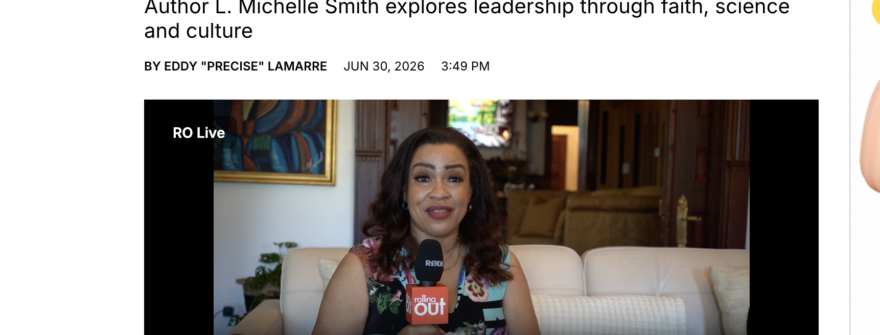
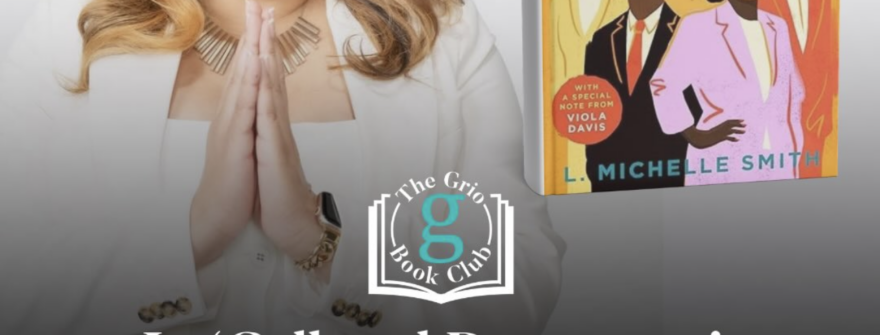
In ‘Call and Response,’ L. Michelle Smith explores how the Black church helped shape generations of Black leaders The author combines research, history, and personal reflection to examine how lessons learned in church translated into leadership across industries. by Kay Wicker, The Grio The award-winning, bestselling author and certified executive and personal coach L. Michelle Smith was nearly 25 years into her career in corporate media training before…

I had the absolute privilege of joining Karen Hunter live on her SiriusXM Satellite radio talk show today to discuss Call and Response. She told me the book “felt like home” to her–literally and figuratively. One of the highlights was me sharing how our newest Oscar-award-winning leading man Michael B. Jordan summoned his people when he first mounted the stage for his acceptance speech, leaning into what science…
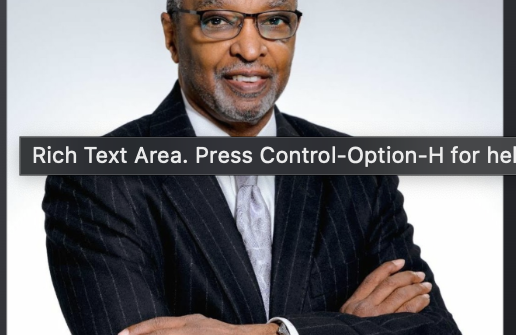
Dr. DeForrest Soaries invited L. Michelle onto his SiriusXM Satellite radio show, For Your Soul. Listen to the entire show here on Sound Cloud. The interview is in two parts, at the top and bottom of the show. dbsoaries · 2026 Martin Luther King, Jr. Holiday Speech

There is something powerful about returning to a university campus to talk about leadership. At Texas Christian University, our conversation around Call and Response: 10 Leadership Lessons from the Black Church (Amistad Books, an imprint of HarperCollins Publishing and JVL Media) was not just about a book. It was about formation. It was about where leadership really begins. About the spaces that quietly shape courage, discipline, and voice…

On this episode of Gen X Amplified, I am joined by bestselling, award-winning author, Fortune 100 C-Suite advisor, and certified global executive coach, L. Michelle Smith. (https://www.lmichellesmith.com/) L. Michelle is the founder and CEO of no silos communications and the creator and host of The Culture Soup Podcast®, heard in over 70 countries. She has spent over 25 years helping leaders do the deep, transformational work that moves…


Rolling Out says Call and Response “reframes power” and “draws a bold line from Sub Saharan Africa to the modern boardroom.” “She has coached Fortune 100 executives, spoken at SXSW and Essence Festival, advised companies from Amazon to the Dallas Mavericks, and hosted her own podcast. But for L. Michelle Smith, one of the most clarifying moments of her career came not in a boardroom, but at a…
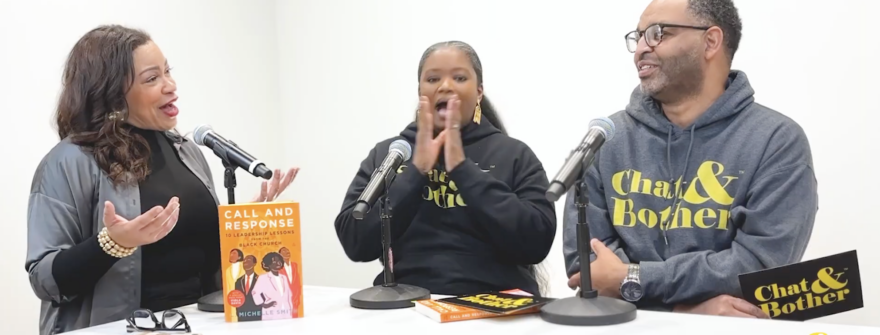
We told you we would talk about church one day! This chat with best-selling and award-winning author L. Michelle Smith did not disappoint. In this episode, we talked with L. Michelle Smith about our experiences with the Black Church, how it has influenced us personally and professionally, and how her new book, Call and Response: 10 Leadership Lessons from the Black Church, has helped leaders and aspiring leaders…